Beneficios operativos y eficiencia de fabricación
Palabras clave de destino:Horno de vidrio con chimenea móvil, horno de vidrio para aliviar las tensiones, reducción de los costes de recocido industrial, procesamiento por lotes de vidrio
Intento de la OMS:Gerentes de planta, directores de operaciones, especialistas en fabricación.
Título:Cómo un horno de vidrio industrial de 1000°C de rebotamiento por elevación de fondo aumenta la productividad y reduce las pérdidas
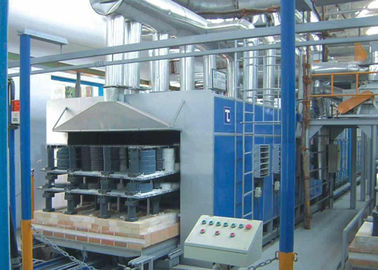
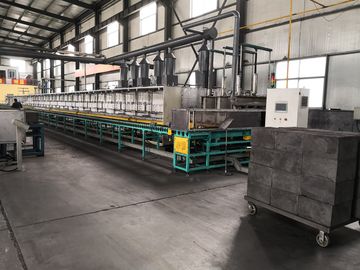
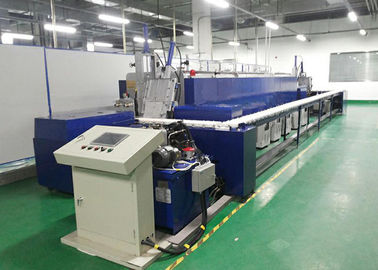
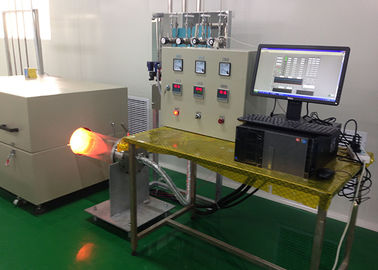
En el mundo competitivo de la fabricación industrial de vidrio, los tiempos de inactividad y la rotura de los productos son asesinos de las ganancias.Elevación de fondo y recocido de vidrio industrial a 1000 °CNo se trata simplemente de una mejora de los equipos, sino de un movimiento estratégico hacia una fabricación más ágil y segura.
La ergonomía se enfrenta al calor extremo
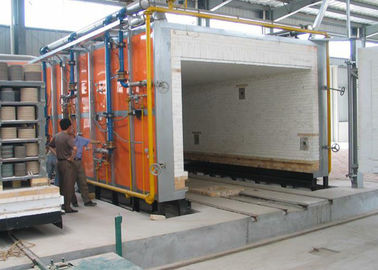
Los hornos tradicionales de tipo campanilla requieren que los operadores alcancen las paredes laterales calientes o usen grúas para bajar el vidrio frágil a una abertura estrecha.El operador carga las piezas de trabajo en un estacionarioUna vez fijado, una pulsación de botón eleva todo el hogar a la cámara del horno precalentado.
Este flujo de trabajo produce tres resultados medibles:
-
No hay ruptura de carga:Dado que el vidrio no se balancea a través de una zona caliente, prácticamente se eliminan las astillas de los bordes y las fracturas por choque térmico.
-
Reducción del tiempo de ciclo:El trabajo simultáneo de descarga de un lote terminado mientras se carga el próximo hogar se vuelve posible.
-
Riesgo menor de formación del operador:La elevación automática con paradas fijas reduce la dependencia de operadores de grúas expertos.
La ventaja de los componentes de paredes gruesas a 1000 °C
Muchos fabricantes de vidrio industrial tienen dificultades para recocer secciones gruesas (espesor de pared > 20 mm).la viscosidad del vidrio disminuye lo suficiente como para permitir una rápida relajación de la tensión. Un ciclo típico para una ventana de manómetro de 50 mm de espesor:
Eficiencia energética mediante la reducción de la masa
Un horno estacionario desperdicia energía calentando el mecanismo de elevación y las paredes laterales que se enfrían durante la carga.
-
Recuperación de energía:Una vez terminado el recocido, el fondo levantado se retrae en una cavidad aislada inferior, reteniendo el calor para el siguiente ciclo.
-
Control de potencia modular:Los elementos SiC accionados por tiristores proporcionan una potencia proporcional, no un simple encendido/apagado, ahorrando 15-20% de energía en comparación con los hornos controlados por relé.
Ejemplo de cálculo del ROI
Precio de compra:45,000 ((3 m3 de volumen de trabajo) Producción anual de vidrio: 200 toneladas Reducción de 1245,000(3- ¿ Qué?3- ¿ Qué?o bienel parienteGvoYo...- ¿ Qué?- ¿ Qué?El)A. NoNo- ¿ Qué?a) elYo...GYo...a) elel mismo- ¿ Qué?TP- ¿ Qué?t:200toNoelB. El trabajo- ¿ Qué?También conocido comoGEn primer lugard- ¿ Qué?ct- ¿ Qué?oNofel- ¿ Qué?124/kg =64,000 ahorradoAhorro energético:18,000 kWh@64,000ela) elVEld- ¿ Por qué?No- ¿ Qué?Gya) elVEn elG:18,000El valor de las emisiones@0.12 = $2.160 ahorrados por año.
Periodo de amortización: < 8 meses.
Para cualquier operación de vidrio industrial que recoja borosilicato, cuarzo o componentes de vidrio de alta resistencia, el diseño de elevación de fondo a 1000 °C es la solución definitiva para combinar seguridad, velocidad,y integridad del materialContacta con nuestro equipo de ingeniería para simular tu ciclo específico.


 ¡Su mensaje debe tener entre 20 y 3.000 caracteres!